Medieval Castle Architectural Styles: From Humble Beginnings to Mighty Strongholds
Imagine a sprawling stone fortress, a symbol of power and might, dominating the landscape. But medieval castles weren't always such imposing structures. Their evolution is a fascinating story of innovation and warfare, a constant arms race between builders and attackers. This journey through time explores the progression from simple wooden motte-and-bailey castles to the mighty stone keeps and finally, the incredibly sophisticated curtain wall designs. We'll examine how changing battle tactics and new technologies shaped castle design, highlighting the brilliant (and sometimes disastrous) choices made by medieval architects and lords. For more castle design examples, see these designs.
From Humble Beginnings: The Motte-and-Bailey Castle
Our journey begins with the motte-and-bailey castle – the ancestor of medieval fortifications. This design, prominent from the 11th century, utilized earthworks: a large mound (the motte) topped with a wooden tower, and a surrounding courtyard (the bailey) protected by a wooden palisade. These early castles, relatively quick and inexpensive to build, were ideal for the rapid expansion of Norman control across newly conquered lands. But their reliance on wood made them vulnerable to fire and advanced siege weaponry like catapults. Did this inherent vulnerability limit their strategic value? Absolutely. Their simplicity, however, allowed for rapid construction, a key benefit during periods of rapid conquest.
The Rise of Stone: The Stone Keep
The weaknesses of wood became glaringly obvious, leading to a significant shift towards stone. The sturdy stone keep, often a multi-story tower, completely transformed castle design. These imposing structures offered vastly superior protection and became the heart of the castle. This increased defensive capability reflected the growing power of the ruling classes. As kingdoms expanded, their castles – symbols of military strength and societal complexity – grew more elaborate. The transition to stone likely signified a broader cultural change, demonstrating a commitment to long-term stability and infrastructure. How much did this transition impact the strategic value of castles? Substantially. The shift towards more resilient fortifications allowed for more effective long-term control of territories.
Defense in Depth: The Concentric Castle
Picture an onion: layer upon layer, each protecting the core. This is the essence of the concentric castle. Multiple walls, each encircling the previous one, created a labyrinthine defense system. This innovative design was a direct response to increasingly sophisticated siege weaponry. Every wall forced attackers to overcome a new obstacle, expending their resources and time. Caernarfon Castle in Wales stands as a prime example of this clever design. The sheer engineering and planning involved are extraordinary. Was the concentric design a success? Undeniably. The layered approach significantly increased a castle's resistance to prolonged sieges.
The Pinnacle of Design: The Curtain Wall Castle
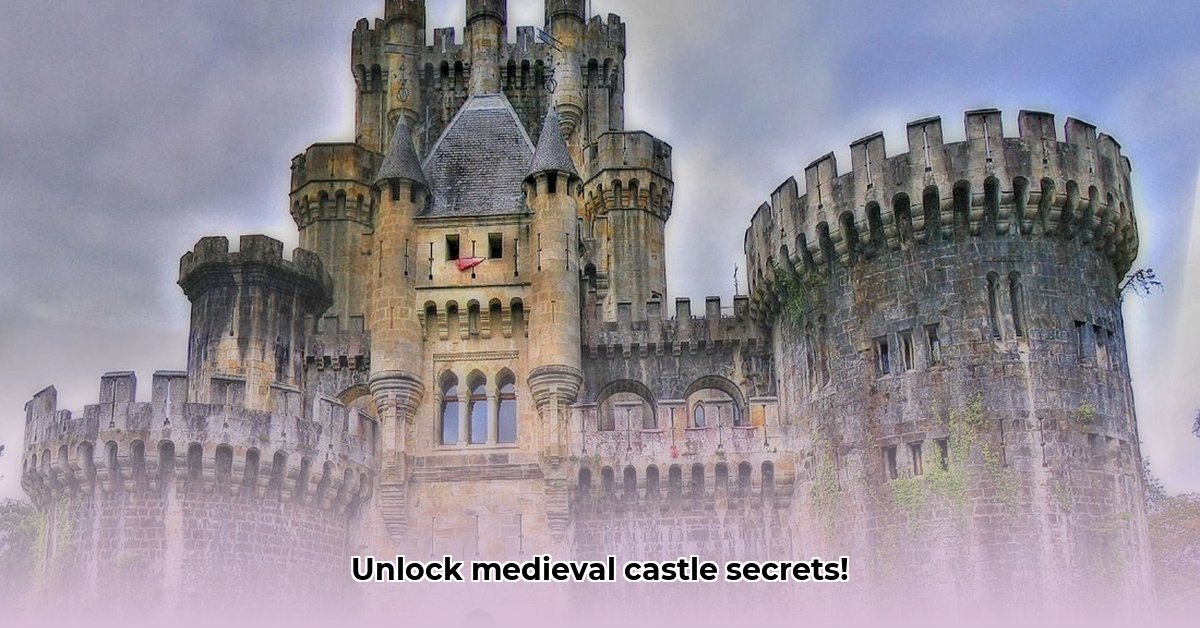
The curtain wall castle represents the apex of medieval castle architecture. These massive walls, often punctuated by towers at regular intervals, encircled vast areas, sometimes entire towns or villages. These colossal structures, symbols of power and control, reflect advancements in building techniques, military strategy, and logistics. Consider the immense resources – labor, materials, time – required for their construction. They are a testament to the concentrated power of their builders. Some historians argue that curtain walls reflected a shift from purely military concerns toward integration of military and civilian life. Did their construction represent a peak in defensive capability? While extremely robust, they were not invulnerable to the right type of attack.
Comparing Medieval Castle Defenses: A Structured Approach
To effectively analyze medieval castle defenses, consider these key factors:
- Architectural Style: Identify the castle's design (e.g., Motte-and-Bailey, Keep, Concentric).
- Materials: Analyze the materials used (stone, earth, wood). This directly impacts durability and resistance.
- Layout: Examine the placement of towers, gates, and other defensive features. Strategic placement is crucial.
- Integration of Defenses: Assess the utilization of elements like moats, barbicans, and machicolations.
- Effectiveness Against Attacks: Evaluate the design's resilience against various types of assaults.
A Summary of Key Medieval Castle Architectural Styles
| Castle Type | Key Features | Advantages | Disadvantages | Approximate Time Period |
|---|---|---|---|---|
| Motte-and-Bailey | Earthwork mound (motte) with wooden tower, fenced courtyard (bailey) | Quick, cheap to build | Vulnerable to fire and advanced siege weapons | 11th-12th Centuries |
| Stone Keep | Stone tower, improved defenses | Much stronger and more durable than wooden structures | Still vulnerable to long sieges | 12th-13th Centuries |
| Concentric | Multiple concentric rings of walls | Excellent defense against siege weapons | Expensive to build, complex to design | 13th-15th Centuries |
| Curtain Wall | Extensive walls encircling large areas, often with towers | Extensive defense, could incorporate towns and villages | Extremely resource-intensive, vulnerable to breaches | 13th-15th Centuries |
The evolution of medieval castle design was not simply about building stronger defenses. It’s a captivating story, inscribed in stone, reflecting the dynamic interplay between technological innovation, the realities of warfare, and the shifting power dynamics of the medieval world. Further research into specific castles and regions can offer deeper insights into this historical development, such as exploring the influence of local geology on materials and design choices.